
 Breathalysers
 Drug Testing
 Combo Kits & Safety Products
 Calibration & Services
 Stay Current with Our Latest Training Techniques
Building Workplace Alcohol Policy in NSW Construction
Construction is unforgiving work. Crews deal with moving plant, elevated platforms and long, physical shifts where one bad call can hurt more than the person who makes it. In New South Wales, Breathalyser Sales & Service has seen why clear alcohol testing rules matter on sites that cannot afford hesitation or poor judgement. A zero-tolerance policy gives supervisors, contractors and workers a plain standard. No guessing, no mixed messages. The aim is simple: cut preventable incidents, meet legal duties and make it easier to hold everyone to the same rule.

Why Construction Needs a Hard Line
A construction site has very little room for impaired judgement. Heavy machinery, traffic movement, power tools and work at height all raise the stakes, so even mild intoxication can turn a routine task into a serious incident. Strong construction site safety depends on clear expectations, backed by action. Under Australian WHS laws, employers have a duty to provide a safe workplace, and workers also carry responsibilities. When alcohol is part of an incident, the damage often spreads well beyond injury. Delays, claims, investigations and loss of trust follow quickly.
What Zero-Tolerance Actually Means
In plain terms, zero-tolerance means no measurable alcohol in a worker’s system during work hours, before starting safety-critical duties, or while operating site vehicles and equipment. That is stricter than policies that allow a low reading or deal with problems only after behaviour becomes obvious. On a worksite, waiting for visible signs is a poor safety strategy. By the time someone looks affected, the risk is already in play.
What the Policy Should Cover
A good policy should say who it applies to, including employees, labour hire staff, contractors and visitors where relevant. It should spell out prohibited behaviours, when testing may occur, how results are handled, and what happens after a breach. That last part matters. If consequences are vague, supervisors will apply the rule differently, and disputes will follow. Support options should also be there, especially for workers who disclose a problem early or need access to counselling or employee assistance programs.
Where Breathalyser Testing Fits on Site
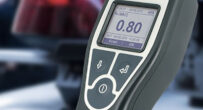
Breathalyser testing is practical for construction because it is quick, portable and easy to use at the point of entry or before a shift starts. Alcohol screening can form part of daily pre-start checks, random screening, post-incident review or return-to-duty processes after a previous breach. The key is using reliable devices that are serviced and calibrated properly. A doubtful reading helps no one, especially when decisions affect safety, access to site and possible disciplinary action.
Putting the Policy Into Practice
Start with a site risk assessment. Look at job roles, common hazards, shift patterns, subcontractor movement and any history of incidents or near misses. From there, write the policy in plain language and line it up with current Australian legal requirements. Once it is drafted, communicate it properly. Toolbox talks, inductions and supervisor training all matter. So does consistency. If managers wave breaches through for some people and crack down on others, the policy loses credibility almost at once.
Fair Enforcement Matters as Much as the Rule
Workers are more likely to accept testing if the process is transparent and respectful. They need to know when tests may occur, who handles the result, what records are kept and how privacy is protected. Records should be accurate and stored carefully, especially after incidents. Fair enforcement does more than lower legal risk. It supports a steadier site culture, fewer disruptions, stronger accountability and better day-to-day discipline. Prevention is almost always cheaper than the clean-up after a bad decision.
Set the Standard Before the Next Pre-Start
If your business is reviewing site rules or setting them from scratch, now is a good time to look at professional-grade equipment and alcohol testing procedures. Explore the range on our website, then visit the contact page for advice on the right setup for your worksite, or call (02) 8338 1555 or 1300 999 200.