
 Breathalysers
 Drug Testing
 Combo Kits & Safety Products
 Calibration & Services
 Stay Current with Our Latest Training Techniques
How Accurate Are Smartphone Breathalyser Apps Compared to Professional Devices?
Smartphone technology has shown quick progress which led to the creation of alcohol testing applications that serve as digital substitutes for physical breathalysers. The performance differences between mobile applications and certified professional equipment generate essential safety and legal challenges which affect Australian users. The various testing approaches become clear to you when you understand their fundamental differences.
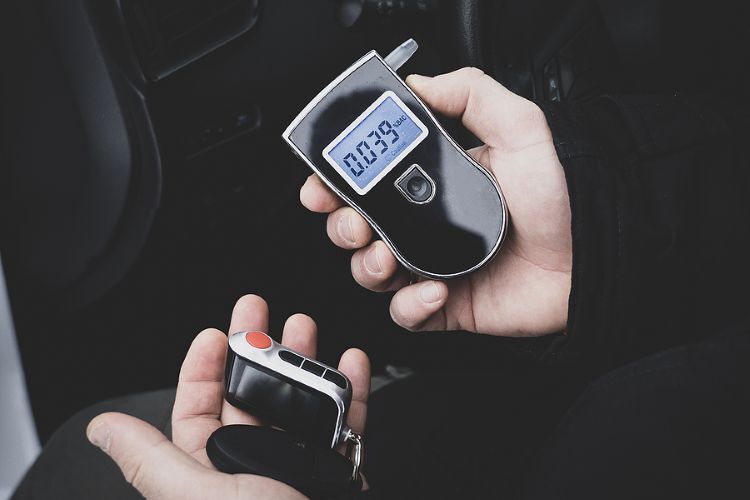
How Smartphone Apps Work
Technology Behind Mobile Testing
- The process of listening to breath sounds requires audio analysis techniques.
- The tests for balance and coordination produce specific responses from the subject.
- The smartphone camera performs analysis through its built-in functionality.
- The user must choose to provide their drinking history information.
The system uses clever approaches which lack chemical detection abilities that dedicated breathalysers provide so their accuracy levels remain restricted.
Professional Breathalyser Technology
Certified Accuracy Standards
- Fuel cell sensors: The fuel cell sensor oxidizes alcohol present in breath samples which produces electrical currents that can be measured.
- Infrared sensors: Measure specific light absorption wavelengths.
- Semiconductor sensors: Detect alcohol molecule presence.
The methods provide direct measurement of alcohol levels which results in industry-standard accuracy of ±0.005% BAC—this surpasses the measurement abilities of smartphones.
Research comparing smartphone apps to professional breathalysers reveals alarming reliability gaps:
- The test results show major differences when scientists perform their tests at different times.
- The device performance becomes unstable because temperature and humidity levels and background noise levels impact its operation.
- The testing field faces a major issue because it lacks any established testing procedures which would establish consistency between different testing approaches.
- The app development process continues without any established quality control systems which enables unregulated application development.
- Users place their trust in app readings which lack scientific support to back up their measurements.
Australian Standard AS 3547 certification protects professional devices because it establishes uniform standards which deliver accurate results.
Legal and Safety Implications
When Professional Devices Matter Most
For legal purposes—particularly drink-driving charges—only certified professional breathalysers provide defensible evidence. Police-grade devices undergo rigorous calibration, maintenance, and validation protocols that smartphone apps cannot replicate. The use of smartphone apps to make personal decisions about driving leads to dangerous situations because these apps contain untrustworthy technology.
When Smartphone Apps Have Value
Educational and Awareness Uses
- The program educates people about how alcohol affects their bodies.
- The program lets users learn about BAC through educational demonstrations.
- The system provides basic instructions for user behavior.
- People in social settings enjoy watching entertainment programs.
The app readings serve no purpose for users when they need to make vital choices about driving or machinery operation or workplace testing.
Frequently Asked Questions
Q: Are smartphone breathalyser apps accurate enough for personal use?
A: Not for safety-critical decisions. They're too unreliable for determining if you're safe to drive or operate equipment.
Q: What makes professional breathalysers more accurate?
A: The accuracy of professional breathalysers results from their use of fuel cell sensors which perform direct chemical measurements and their strict calibration protocols and Australian Standard certification.
Q: Can smartphone apps be used for workplace testing?
A: No. Australian workplaces require AS 3547 certified devices to ensure legal defensibility and worker protection.
Q: Why do smartphone apps give different readings?
A: They don't measure actual alcohol. They estimate BAC through indirect methods affected by numerous variables.
Q: Should I use a smartphone app to check if I'm okay to drive?
A: Never. Use professional breathalysers or don't drive after drinking—the safest approach always.
Choose Professional Breathalysers for Safety
Professional devices which provide science-backed results help you achieve accurate and reliable alcohol testing for making vital decisions.
Contact Breathalyser Sales Service at 02 9699 9200 or sales@breathalyser.com.au for professional testing solutions.