
 Breathalysers
 Drug Testing
 Combo Kits & Safety Products
 Calibration & Services
 Stay Current with Our Latest Training Techniques
The Psychology Behind Responsible Drinking: How Breathalysers Influence Behaviour
Human actions and decision processes maintain a strong link to the consumption of alcoholic beverages. The psychological study of responsible drinking shows how personal breathalysers function as effective safety tools that help Australians develop better drinking practices. People who see their blood alcohol content (BAC) in real-time will develop better decision-making skills to choose appropriate actions.
The Science of Self-Awareness and Accountability
Real-Time Feedback Changes Behaviour
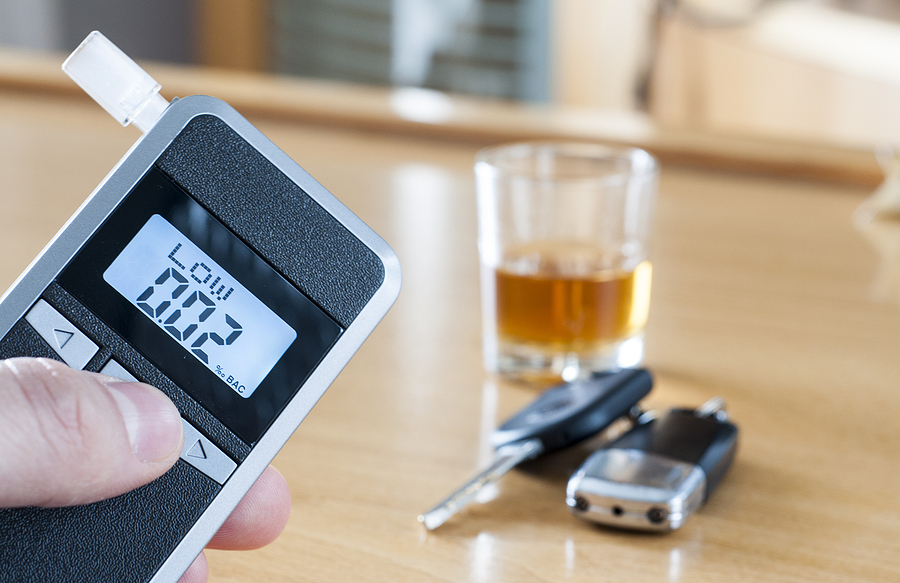
The field of behavioural psychology demonstrates that people base their choices on the feedback they receive right after their decisions take place. The process of blowing into a breathalyser produces an instant BAC reading, which shows your exact level of intoxication. The system eliminates any need for estimation while it demands that people take responsibility for their actions, which enables proper alcohol consumption management.
Research demonstrates that people who regularly monitor their alcohol consumption experience:
People who monitor their alcohol use develop better control over their spontaneous drinking choices.
People who monitor their alcohol intake develop a better understanding of how alcohol impacts their physical state.
People who monitor their alcohol consumption develop better abilities for driving and task execution.
People who track their alcohol intake develop better motivation to stick with protected consumption levels.
Breaking the Denial Cycle
Objective Data Over Subjective Perception
The psychological concept of cognitive dissonance stands as a crucial theory because it explains how people experience contradictions between their perceived drunkenness and their actual level of impairment. People tend to think they can handle driving after drinking, even though their blood alcohol content has reached dangerous levels.
The dangerous misconception that drivers hold about their blood alcohol content disappears because breathalysers generate precise measurement results. The evidence-based feedback system provides stronger evidence than individual evaluation methods, which enable people to identify their dangerous threshold crossings.
Social Influence and Normative Behaviour
Creating Safer Social Norms
Research in psychology demonstrates that social norms have a strong influence on the way people behave. Friends and family members and work colleagues who show breathalyser testing during social events establish a space which makes responsible drinking into the standard behaviour instead of an unusual behaviour.
Breathalyser testing methods now receive acceptance from Australian public spaces, which span from residential parties to large-scale public events. The behaviour change demonstrates that:
People view alcohol consumption with safety protocols as their preferred social behaviour
Medical tests have become normal procedures that no longer function as punishment
People demonstrate their understanding of why they need to defend themselves and their community members
The Habit-Formation Connection
Building Long-Term Safety Behaviours
People develop habits when they perform the same actions repeatedly. The practice of using breathalysers repeatedly creates brain connections that support people in their efforts to drink responsibly. Users start to develop automatic behaviours for checking their BAC levels before they drive or make essential choices, which leads to the development of safety habits.
Motivation and Self-Efficacy
Empowerment Through Knowledge
People who learn about breathalyser operation and watch real-time results develop better trust in their ability to manage their alcohol intake. People require self-efficacy to develop new behaviours because this belief lets them control their actions and achieve their intended results.
Personal breathalysers enable Australians to handle their safety needs instead of depending on external authorities to protect them.
Frequently Asked Questions
Q: How does seeing my BAC reading change my behaviour?
A: Immediate feedback activates conscious decision-making, helping you recognise when you've had enough and shouldn't drive or operate machinery.
Q: Can breathalysers help with alcohol addiction?
A: Yes, breathalysers provide objective monitoring that supports accountability in recovery programs alongside professional treatment.
Q: Why is breathalyser testing becoming more popular socially?
A: Because it normalises responsible drinking and creates safer social environments where everyone protects each other's wellbeing.
Q: Do breathalysers work better than self-assessment?
A: Absolutely. Objective data is far more reliable than subjective feelings, which alcohol impairs significantly.
Q: Can regular breathalyser use change long-term drinking habits?
A: Yes, consistent monitoring creates habit loops supporting sustained responsible drinking behaviour.