
 Breathalysers
 Drug Testing
 Combo Kits & Safety Products
 Calibration & Services
 Stay Current with Our Latest Training Techniques
Why Alcohol Testing Is Critical for Aviation Safety Programs
Why Pilot Alcohol Testing Matters in NSW Aviation
Aviation is one of the most safety-sensitive industries in the country. Flight crews, engineers, baggage teams and airside staff all work inside tight systems where timing, judgement and coordination matter every minute. Even a small amount of alcohol can slow reactions, cloud decisions and raise the chance of a serious mistake. Breathalyser Sales & Service, based in New South Wales, has worked in this space for decades. In alcohol testing aviation safety programs, the goal is straightforward. Check that people are fit for duty before a lapse in the cockpit or on the ground turns into a dangerous chain of events.
Why Aviation Safety Leaves No Room for Impairment
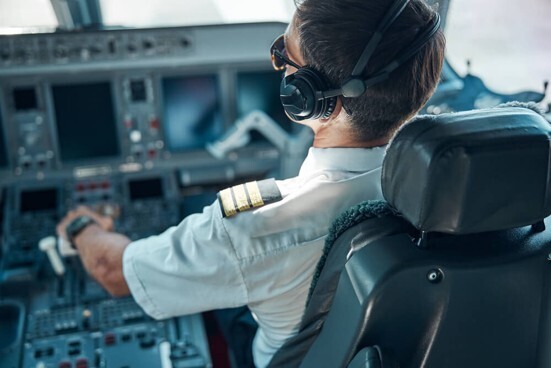
Aircraft operations and Aviation safety depend on precision and clear thinking. Pilots make rapid decisions in changing conditions, while ground crews, refuellers and maintenance teams handle tasks where timing matters and mistakes can carry forward quickly. Alcohol affects reaction time, coordination, focus and short-term judgement, which is a serious problem in an environment built around strict procedure. A poor call on the tarmac or in the air can lead to delays, equipment damage, injuries or far worse. That is why the industry treats impairment as a direct operational risk, not a private issue left to chance.
Aviation Workplace Alcohol Testing on the Ground
In aviation, alcohol checks are there to show who is fit for duty at the time of testing. A quality breathalyser gives a quick reading before a shift, after an incident, at random, or when a supervisor has reason to act. That matters for flight crew, ground handlers, refuellers, maintenance staff and contractors. One weak link can slow an aircraft, damage equipment or place people at risk on the apron. Good testing also acts as a deterrent, because staff know the policy is active and not just sitting in a manual no one reads.
Safety Testing Supports Compliance and Operations
Australian operators work under strict alcohol limits and documented procedures, with CASA expectations shaping policy, record-keeping and response steps. Testing helps employers meet their duty of care, but it also protects staff from grey areas and last-minute judgement calls. If there is a breach or an incident, a documented process matters. It gives managers a clear path to follow and makes it harder for risky behaviour to slip through because someone felt awkward about speaking up. That sort of consistency supports safer operations and stronger trust across the workforce.
Building a Program Staff Can Actually Follow
A program only works if people understand it. Policies need plain language, regular training and consistent enforcement across crews, contractors and supervisors. Devices need scheduled calibration and servicing, because a reading is only useful if the instrument is trusted. Privacy matters as well. Results should be handled discreetly, recorded properly and shared only with the people responsible for the next step. Clear procedures also help after an incident, because the business is not trying to invent a response under pressure. The rules are already there, and staff know how they apply.
Choosing Breathalysers for Airports and Remote Work
Aviation settings can be busy, noisy and sometimes remote, so the device has to suit the job. Quick results, simple operation and dependable accuracy matter more than flashy features. Some teams need a handheld unit for ad hoc checks on the apron. Others need heavier-duty instruments for frequent testing across multiple shifts. Breathalyser Sales & Service supplies and calibrates professional-grade equipment, and operators can review options before settling on a setup. The right choice depends on where testing happens, how often it is used and who is responsible for running it.
Review of the Weak Spots in Your Testing Program
If your organisation is reviewing alcohol testing aviation safety programs, Breathalyser Sales & Service can help with equipment selection, servicing and calibration. Visit our contact page or call (02) 8338 1555 or 1300 999 200 for practical guidance.